No component on a drone ages as fast — or fails as expensively — as the battery. Whether it is a small pack in a photo drone or a 20-kilogram smart battery feeding an agricultural machine, the chemistry inside is the same: lithium-polymer cells that reward good habits with hundreds of cycles and punish bad ones with swelling, capacity loss and, in the worst case, fire. Here is the complete routine.
Charging: the Rules That Actually Matter
- Use the manufacturer's charger. Smart batteries negotiate current and balance cells with their dedicated charger; third-party "fast" chargers skip that conversation.
- Let the pack cool first. Charging a battery that has just landed hot accelerates degradation more than almost anything else. Agricultural operators: this is exactly what mist-cooling charging stations are for between sorties.
- Never charge unattended — and never on a flammable surface. A LiPo-safe bag or a metal box costs less than one propeller.
- Room temperature is the sweet spot. Charging below 5°C damages cells permanently; warm packs indoors before winter sessions.
Storage: the 50–60% Rule
A LiPo cell is most stressed when completely full or completely empty. If a pack will sit for more than a week, bring it to storage level — roughly 50–60% — and keep it in a cool, dry place. Most smart batteries can self-discharge to storage level automatically after a set number of days; check that this feature is enabled.
Reading the Signs of Aging
LiPo packs typically deliver 200–300 healthy charge cycles before capacity fades noticeably. Watch three signals:
- Health percentage in the app — plan replacement when it drops below 80%.
- Flight time — a pack that used to give 46 minutes and now gives 35 under the same conditions is telling you something.
- Swelling — any visible puffiness means the pack is done. Immediately stop using it, discharge it safely and take it to a battery recycling point. Never puncture, never throw in household waste.
Agricultural Batteries: a Harder Life
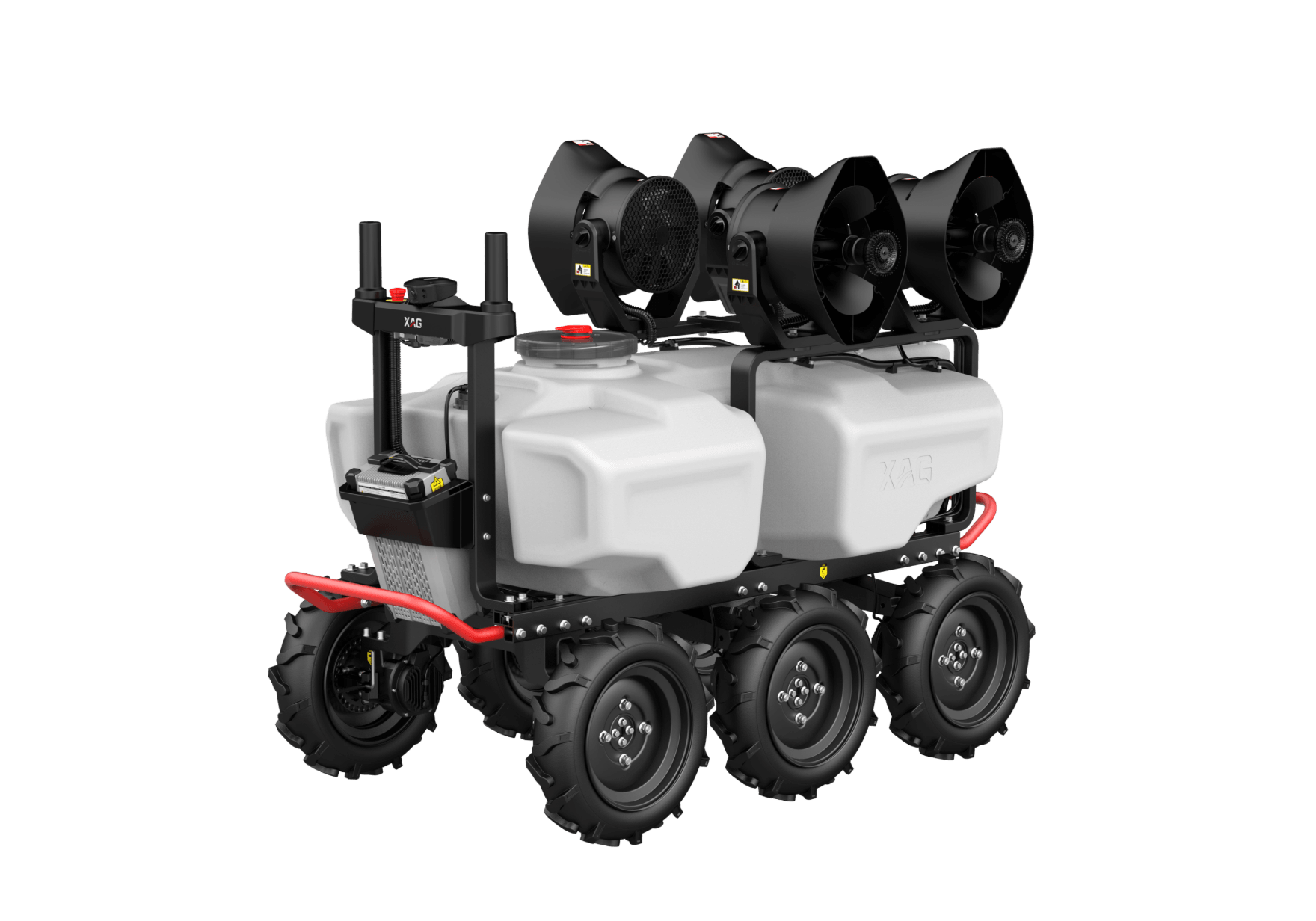
Packs like the XAG B13970S (P100 Pro) and B141050S (P150 Max) work a schedule no camera drone battery ever sees: twenty or more sorties a day, heavy payload every flight, fast turnaround charging in the field. Three habits keep an agri fleet healthy through the season:
- Rotate packs evenly — don't favor the two nearest the charger; cycle all four from the bundle.
- Charge with the dedicated CM13600S / CM15300D chargers and let cooling stations do their job between flights.
- End of season: bring every pack to storage level, store above freezing, and check charge monthly through winter.
Transport and Safety
Transport packs at storage charge, terminals protected, in a fire-resistant bag or metal case — separated from tools that could short the contacts. For air travel, lithium battery rules apply (watt-hour limits, carry-on only); for van transport to the field, secure packs against crushing and direct sun.
Need replacement packs, chargers or a LiPo-safe case? Browse our batteries and charging range — we stock original packs for DJI, Autel and XAG platforms.